


Table of Contents
- Why Handmade Leather Shoes Last Longer: The Core Differences
- Leather Shoe Construction Methods That Extend Durability
- Handmade vs Mass-Produced Shoes: Why Quality Matters
- Leather Quality and Types: What Determines Long-Term Wear
- How Long Do Leather Shoes Last With Proper Care
- How to Care for Leather Shoes and Maximize Their Lifespan
- Identifying Durable Handmade Shoes Before You Buy
- Repair and Resoling: Extending the Life of Quality Leather Shoes
- Frequently Asked Questions
Last Updated: October 5, 2026
Why Handmade Leather Shoes Last Longer: The Core Differences
Handmade leather shoes last longer because they're built differently from the ground up. Every stitch, every seam, every piece of leather is chosen and placed with intention. The difference between a handmade shoe and a mass-produced one becomes obvious within the first few months of wear.
The core reason is simple: handmade shoes prioritize durability over speed. A factory worker might attach a sole to 200 shoes in a day. A craftsperson makes 10, checking each one for fit and quality. That difference compounds over time. A handmade shoe doesn't just hold together longer, it actually improves with age, molding to your child's foot and developing a natural patina that mass-produced shoes never achieve.
This isn't marketing. It's how the construction process works. When you understand the methods behind handmade leather shoes, you see why they outlast cheaper alternatives by years.
Leather Shoe Construction Methods That Extend Durability
How Handmade Construction Improves Lifespan
Handmade construction uses methods that prioritize longevity over efficiency. The most important difference is how the sole attaches to the upper.
In handmade shoes, the sole is typically stitched on, creating a bond that can be repaired. If the sole wears out after years of wear, a cobbler can remove it and attach a new one. The shoe itself lives on.
Mass-produced shoes usually glue the sole on. Once that glue fails, and it will fail, the shoe is done. You can't repair it. You replace it.
Beyond the sole, handmade construction means:
- Hand-stitching creates stronger seams that don't unravel
- Reinforced stress points like heel and toe are built to handle years of running and playing
- Quality control at every step catches problems before the shoe leaves the workshop
The result is a shoe that doesn't just last longer, it can be fixed when it does wear out.
Mass-Produced vs. Handmade: What the Difference Means for Your Child's Shoes
Mass-produced shoes are engineered for one thing: getting to your feet quickly and cheaply. They're optimized for the factory line, not for durability.
Here's what that means in practice:
- Glued soles start separating after 6-12 months of heavy wear
- Thin leather stretches unevenly and loses shape
- Minimal stitching means seams fail faster under stress
- No repair option once something breaks
Handmade shoes work the opposite way. They're built assuming your child will wear them hard, grow out of them, and possibly pass them to a sibling. The construction assumes long-term use.
When you buy handmade leather shoes, you're buying something that can be repaired, resoled, and passed down.
Handmade vs Mass-Produced Shoes: Why Quality Matters
The quality difference shows up in small details that add up over time.
A handmade shoe uses full-grain leather for the upper, the part your child's foot touches.
The insole in a handmade shoe is usually leather with a thin, supportive base. It's designed to mold to your child's foot over time, providing better support as they grow.
The heel counter, the part that wraps around the back of the foot, is reinforced with extra leather layers in handmade shoes. This keeps the heel stable and prevents the shoe from collapsing.
These details matter because your child's foot is still developing. A shoe that maintains its shape and support helps their foot develop correctly.
At MintMouse, every handmade leather shoe we stock is chosen because it supports healthy foot development while lasting through years of childhood wear.
Leather Quality and Types: What Determines Long-Term Wear
Not all leather is the same. The type of leather determines how the shoe will age and how long it will last.
Full-Grain Leather and Durability
Full-grain leather is the strongest and most durable leather available. It's the entire hide with nothing removed. The natural grain pattern, the scars, the variations, all of that stays because all of it adds strength.
Full-grain leather:
- Gets stronger with age as the oils in the leather cure
- Develops a natural patina over time (darkening and richness)
- Resists water better than processed leather
- Can be repaired and refinished by a cobbler
- Lasts 10+ years with basic care
The trade-off is that full-grain leather shows marks and scratches. That's not a flaw, it's a feature. Those marks tell the story of how the shoe has been worn. Parents often love watching their child's handmade leather shoes develop character over time. This natural evolution of texture serves as a testament to the enduring structural integrity inherent in handmade leather goods, which remain resilient long after mass-produced alternatives have begun to fail.
Vegetable-Tanned Leather for Extended Lifespan
Vegetable-tanned leather is full-grain leather treated using tannins from tree bark instead of chemicals. It's slower to produce and more expensive, but it ages beautifully.
Vegetable-tanned leather:
- Hardens slightly over the first few months of wear, becoming more durable
- Develops a rich, deep patina that gets better looking with age
- Breathes better than chemically tanned leather
- Resists water damage when properly conditioned
- Can last 15+ years or longer
The Emel shoes we carry at MintMouse use high-quality leather that's chosen for durability. The Emel brand's commitment to quality materials shows in how long their shoes hold up to childhood wear.
How Long Do Leather Shoes Last With Proper Care
A handmade leather shoe can last for many years with basic care.
The lifespan depends on several factors:
- How much the child wears them (daily wear vs. occasional wear)
- The quality of the original leather (full-grain vs. lower grades)
- How well they're maintained (regular cleaning and conditioning)
- Whether the sole is repaired (a new sole can add 5+ years)
A child who wears the same pair every day will wear through the sole faster than a child who rotates between two pairs. But even with heavy daily wear, a handmade leather shoe typically outlasts a mass-produced shoe.
The real advantage shows up when the sole wears out. With a handmade shoe, you can take it to a cobbler and have the sole replaced for a fraction of the original price. The shoe lives on for another few years. With a mass-produced shoe, that option doesn't exist.
(2733-4) Emel Brown Ankle boots →
How to Care for Leather Shoes and Maximize Their Lifespan
Proper care is what turns a good handmade shoe into a shoe that lasts a decade.
Daily Cleaning and Protection
The first step is protecting the leather from the start.
When you first get a new pair of handmade leather shoes, apply a water-resistant coating. This isn't waterproofing, it's a protective layer that helps the leather shed water and resist salt damage. In Luxembourg's climate, this matters. Salt from roads and moisture from rain will damage unprotected leather.
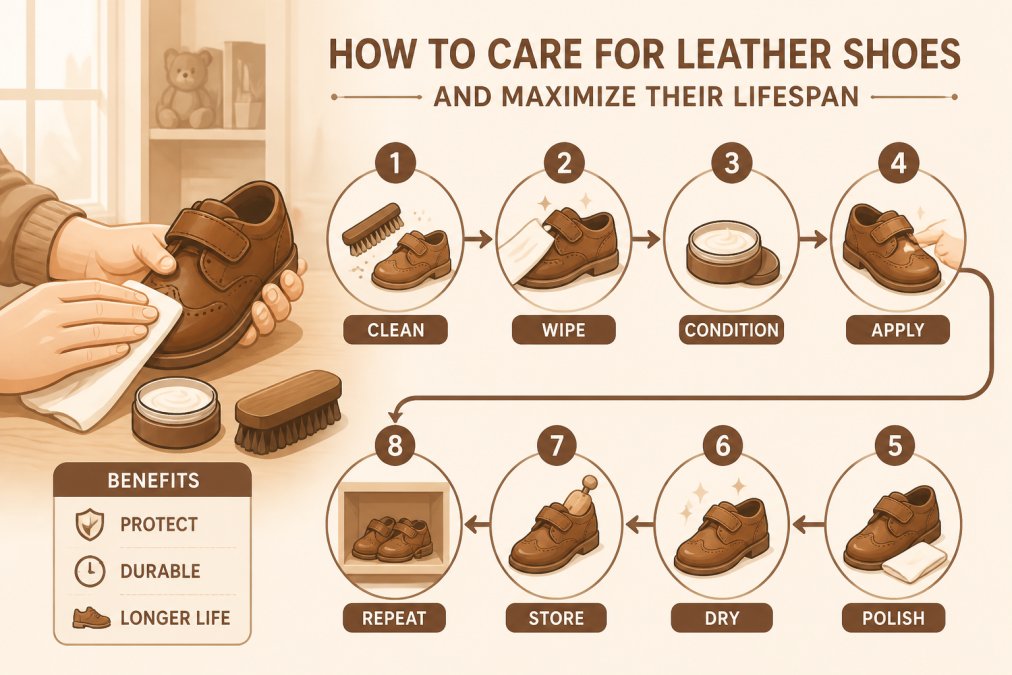
After each wear:
- Wipe the shoe with a soft cloth to remove dirt and moisture
- Let them air dry naturally (never near direct heat)
- Use a shoe tree or stuff with newspaper to maintain shape
- Check for any damage to stitching or seams
This takes 5 minutes and prevents dirt from grinding into the leather.
Conditioning and Waterproofing
Every 2-3 months, condition the leather with a leather conditioner. This keeps the leather supple and prevents it from drying out and cracking.
Apply the conditioner sparingly with a soft cloth. Let it soak in for 20 minutes, then buff away any excess. The leather should look slightly darker and feel softer.
For waterproofing, use a dedicated leather waterproofing product every 4-6 months. This is different from conditioning. Waterproofing creates a protective barrier on the surface. Conditioning nourishes the leather itself.
Both matter for longevity.
Storage and Seasonal Maintenance
When shoes aren't being worn, store them in a cool, dry place. Use shoe trees to maintain their shape. If you're storing them for months, wrap them loosely in cloth (not plastic, leather needs to breathe).
Before storing for winter or summer, clean and condition them. A shoe that goes into storage clean will come out in better condition.
If the shoe gets wet, let it dry slowly at room temperature. Stuff it with newspaper and change the newspaper as it absorbs moisture. Never use direct heat.
Identifying Durable Handmade Shoes Before You Buy
Not all handmade shoes are created equal. Here's how to spot the ones built to last.
Check the sole construction. Run your finger along where the sole meets the upper. If you feel stitching, it's a stitched sole (good).
Look at the leather. Full-grain leather has a natural grain pattern and visible pores. If the leather looks too uniform or plastic-like, it's probably bonded or split leather.
Feel the weight. A handmade shoe is heavier than a mass-produced shoe of the same size. That weight comes from thicker leather and better construction.
Check the stitching. Stitches should be even and tight. Loose or uneven stitches suggest rushed work.
Ask about materials. A maker who stands behind their work will tell you exactly what leather they use and how they construct the shoe. If they're vague, that's a red flag.
At MintMouse, we only stock shoes that meet these standards. Our selection of Emel handmade leather shoes, like the Emel Brown Ankle boots and Emel Classic First Shoes, are chosen specifically for durability and healthy foot development.


Repair and Resoling: Extending the Life of Quality Leather Shoes
This is where handmade leather shoes shine. When the sole wears out, the shoe doesn't have to end.
A cobbler can remove the worn sole and attach a new one. The process takes a few weeks, but the cost is a fraction of a new shoe. A child's shoe that cost €75 to €82 might cost €25-€40 to resole.
Beyond resoling, a good cobbler can:
- Replace worn heel caps
- Repair torn seams
- Stretch shoes that fit too snugly
- Refinish scuffed leather
This repairability is the hidden value in handmade leather shoes. You're not just buying a shoe, you're buying something that can be maintained and passed down.
The reason handmade leather shoes last longer isn't mysterious. It's construction, materials, and care. A well-made handmade leather shoe will outlast mass-produced alternatives by years, and when it does wear out, it can be repaired instead of replaced.
Frequently Asked Questions
Why can handmade leather shoes last longer than mass-produced shoes?
Handmade leather shoes last longer because they use superior materials, tighter stitching, and better construction methods. Artisans hand-select full-grain or vegetable-tanned leather, which ages beautifully and resists wear better than lower-quality materials. Handmade shoes also feature reinforced stress points and flexible soles that move naturally with the foot, reducing premature failure. Mass-produced shoes often use cheaper leather, glued rather than stitched seams, and rigid construction that breaks down faster under daily wear.
How long do leather shoes typically last with proper care?
High-quality handmade leather shoes can last for many years with consistent care, while mass-produced alternatives often wear out faster. For children's shoes, lifespan depends on growth rate and activity level, but handmade options typically outlast growth cycles and can be passed to siblings. Proper care includes regular cleaning, conditioning every few months, waterproofing, and prompt repair of worn soles. Resoling can add years to a shoe's life, making handmade shoes a cost-effective investment over time.
How should you care for children's leather shoes to extend their lifespan?
Clean leather shoes weekly with a soft brush or cloth to remove dirt and salt marks. Apply a leather conditioner every 2-3 months to keep the material supple and prevent cracking. Use a protective waterproofing spray before wearing in wet conditions, especially in winter. Store shoes in a cool, dry place away from direct heat, and stuff them with newspaper to maintain shape. Check for wear on soles and heels regularly, and have them resoled by a cobbler when needed. Proper fitting also matters: shoes that fit well experience less stress and last longer.
Can handmade leather shoes be repaired?
Yes, handmade leather shoes are highly repairable, which is one of their key advantages. Skilled cobblers can resole worn shoes, replace heel pads, repair stitching, and condition damaged leather. Because handmade shoes use quality materials and solid construction, repair is often economical and extends lifespan significantly. Mass-produced shoes with glued soles and synthetic materials are often unrepairable. For children's shoes, resoling and minor repairs keep quality handmade options wearable for years, making them more sustainable and cost-effective than replacing mass-produced shoes frequently.