


Table of Contents
- Why Handmade Leather Baby Shoes Matter for Foot Development
- Soft Sole Baby Shoes Benefits: Supporting Natural Movement and Balance
- How Handmade Leather Shoes Support Healthy Foot Development
- Choosing the Right Baby Shoe Size: A Fitting Guide
- How to Clean Handmade Leather Baby Shoes and Maintain Quality
- When Babies Actually Need Shoes: Developmental Milestones
- Handmade Leather vs. Mass-Produced Alternatives: What Sets Them Apart
- Frequently Asked Questions
Last Updated: September 20, 2026
Why Handmade Leather Baby Shoes Matter for Foot Development
Healthy foot development starts in infancy. A baby's bones, muscles, and sensory systems are still forming, making footwear choice consequential. Handmade leather baby shoes support this development by allowing natural movement, providing breathability, and maintaining flexibility that rigid alternatives cannot match. At MintMouse, we understand that the right shoe at the right time sets the foundation for healthy movement and proper posture.

A child's foot contains mostly cartilage at birth, gradually ossifying into bone over years (Embryology, Bone Ossification). During this window, shoes that restrict movement can interfere with proprioception, the body's awareness of its position in space. Handmade leather baby shoes allow natural foot movement within a protective boundary, supporting arch development and coordination as toddlers progress from crawling to walking to running.
Indoors on safe surfaces, barefoot walking is ideal for developing proprioception and foot strength. Once a child walks outdoors or in cold weather, soft sole baby shoes become essential. The key is choosing shoes that mimic barefoot conditions rather than restrict them, where handmade leather construction makes a measurable difference.
Soft Sole Baby Shoes Benefits: Supporting Natural Movement and Balance
Soft sole shoes flex with the foot's natural movement, allowing muscles to engage and strengthen properly. Unlike hard-soled shoes that force the foot into a predetermined shape, this flexibility is crucial during toddler years when balance, coordination, and proprioception develop rapidly.
A soft sole shoe bends at the ball of the foot where the child naturally flexes when walking or running, mimicking barefoot movement. The flexible sole provides ground feedback, texture, temperature, and terrain information, building sensory awareness needed for confident movement. Children wearing soft sole shoes typically develop better balance and coordination than those in restrictive footwear.
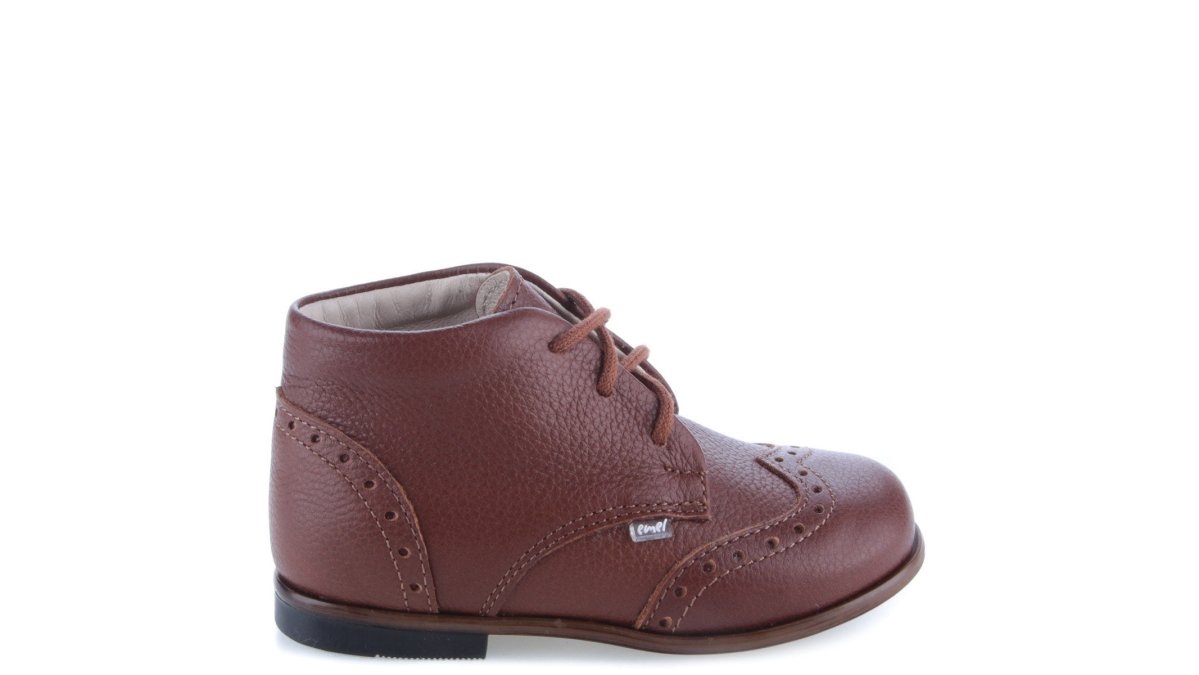
The Emel brogue first shoes exemplify quality construction, with very flexible rubber outsoles and high-quality leather that allows natural foot function while staying protected.

How Handmade Leather Shoes Support Healthy Foot Development
Breathability and Material Quality
Genuine leather is porous and allows air circulation, keeping feet dry and comfortable while preventing moisture buildup that leads to blisters and fungal issues. This breathability becomes increasingly important as children grow more active.
Handmade leather baby shoes mold to your child's foot, improve with wear, and can be passed to younger siblings.
Flexibility and Natural Gait
Handmade leather shoes flex at the forefoot (ball of the foot) for natural push-off, while the heel provides structure without locking the ankle.
Arch Development and Posture Support
The arch develops gradually over the first several years. At birth, many babies have relatively flat feet, this is normal.
Handmade leather baby shoes include a thin, flexible insole that provides basic support without forcing an artificial arch, allowing the foot to develop its own arch strength through natural movement. This commitment to natural development and tactile freedom extends to the rest of a child's wardrobe, where the breathable texture of hand knitted baby clothes offers a similar harmony with a growing body.
Posture support in young children is about allowing the body to align naturally.
Choosing the Right Baby Shoe Size: A Fitting Guide
Getting the right size is non-negotiable for foot health.
Proper fit is snug but not tight: approximately half a centimeter (about the width of your pinky finger) of space between the longest toe and shoe end, a secure heel without slipping, and a supportive midfoot without pinching. A child should wiggle their toes freely.
Children's feet grow rapidly during the first years, sometimes a full size every two to three months. Plan for regular size checks every 4-6 weeks during rapid growth periods. Once growth slows (typically after age three), checks can be less frequent.
At MintMouse, our expert fitting service ensures each shoe fits your child's specific foot shape and developmental stage. A trained fitter assesses your child's foot directly, checking for proper arch support, heel security, and toe room.
How to Clean Handmade Leather Baby Shoes and Maintain Quality
Handmade leather baby shoes require proper care to maintain quality and longevity. Regular cleaning prevents dirt and salt buildup that damages leather.
Use a soft, damp cloth to wipe the exterior after each wear, removing surface dirt. For stubborn dirt, use a slightly firmer cloth or soft brush; avoid harsh scrubbing.
For deeper cleaning, use a leather-specific cleaner or a mild soap solution (a few drops of gentle dish soap in warm water). Apply the solution with a soft cloth, working gently across the leather surface. Rinse with a clean, damp cloth to remove soap residue.
Pre-walker baby shoes Emel - navy →
Drying is critical. After cleaning, stuff the shoes with newspaper to absorb moisture and help them maintain their shape. Replace the newspaper every few hours if the shoes are very wet. Allow shoes to air dry at room temperature, never use direct heat like a radiator or hair dryer, which can crack the leather. Proper drying typically takes 24-48 hours depending on humidity and how wet the shoes became.
Conditioning the leather periodically extends the shoe's lifespan. A leather conditioner applied every few months keeps the material supple. Use a small amount on a soft cloth, rubbing gently into the leather. Wipe away excess conditioner with a clean cloth. This is especially important if shoes will be stored for a season or passed to another child.
When Babies Actually Need Shoes: Developmental Milestones
The timing of when to introduce shoes depends on your child's developmental stage and environment.
From birth to approximately six months, babies don't need shoes. During this period, they're not walking and spend most time indoors. Bare feet allow maximum sensory feedback and freedom of movement. If warmth is needed, booties or soft wraps are preferable to rigid shoes.
Once a baby begins crawling (typically 6-10 months), soft sole baby shoes become useful for outdoor exploration and protecting feet from rough surfaces. At this stage, pre-walker shoes like the Emel pre-walker baby shoes in navy provide gentle foot protection while maintaining the flexibility needed for crawling and early standing attempts. These shoes have minimal sole structure and maximum flexibility, perfect for babies who are mobile but not yet walking independently.
When a child takes their first independent steps (typically 12-18 months), proper first shoes become important. This is when handmade leather first shoes make the biggest difference. A quality first shoe provides enough structure to support the developing arch and ankle while remaining flexible enough for natural gait development. The Emel brogue first shoes available at MintMouse are specifically designed for this developmental stage, with features like laces that adjust to prevent movement restrictions and flexible rubber outsoles that allow natural foot motion.

As children become confident walkers (18-36 months), they can wear more structured shoes for extended outdoor play and varied terrain. However, even during this period, soft sole shoes remain preferable to rigid alternatives for daily wear. Reserve more structured shoes for specific situations like cold weather or very rough terrain.
The general principle is this: use the least shoe necessary for the situation. Indoors on safe surfaces, barefoot is ideal. For outdoor play and varied terrain, soft sole handmade leather shoes support healthy development better than rigid alternatives. As children grow, gradually introduce more structured shoes only when activities demand it, not as a default choice.
Handmade Leather vs. Mass-Produced Alternatives: What Sets Them Apart
The difference between handmade leather baby shoes and mass-produced alternatives goes far beyond aesthetics, though handmade shoes typically look better too. Understanding these differences helps you make an informed choice about your child's footwear.
Mass-produced shoes prioritize cost efficiency and standardization. They're manufactured in high volumes using automated processes. These shoes are designed to fit an average foot.
Handmade leather shoes are crafted with individual attention to detail. The materials are selected for quality and performance, genuine leather that breathes and molds to the foot, flexible rubber outsoles that support natural movement, and minimal insole structure that allows arch development.
Durability is another significant difference. The Emel brogue first shoes, for example, are constructed to withstand years of wear while maintaining their supportive properties.
The fit and comfort experience differs too. Handmade leather shoes mold to the individual child's foot, becoming more comfortable with wear. They develop a unique shape that matches that specific foot.
The choice of footwear during your child's early years has lasting implications for their movement quality, posture development, and foot health.
Frequently Asked Questions
Are handmade leather baby shoes really worth the investment?
Handmade leather baby shoes offer durability, breathability, and support for healthy foot development that mass-produced alternatives often lack. Quality leather allows your child's feet to breathe, reducing moisture buildup and discomfort. The flexible soles and careful construction support natural movement and proper arch development. While the upfront cost is higher, many parents find the longevity and developmental benefits justify the investment, especially when proper fitting and maintenance extend the shoe's lifespan.
What makes soft sole baby shoes better for developing feet?
Soft sole baby shoes provide sensory feedback that helps babies develop proprioception, awareness of their feet's position and movement. This flexibility allows natural gait development and encourages proper balance and coordination without restricting movement. Unlike rigid soles, soft soles let feet flex naturally with each step, supporting arch development and allowing toes to spread. This freedom of movement is especially important during the first years when foot structure is still forming and children are learning to walk and run.
How often do I need to replace handmade leather baby shoes as my child's feet grow?
Children's feet grow rapidly, typically needing new shoes every 2-3 months during the first two years, then every 3-4 months as growth slows. Regular fitting checks help catch growth early and prevent discomfort or movement restriction. MintMouse's expert fitting service can assess your child's current fit and recommend when replacement is needed, ensuring you're not buying shoes prematurely or letting them become too small. Proper fitting prevents foot problems and ensures the developmental benefits of quality footwear aren't compromised by ill-fitting shoes.
What's the best way to clean and care for handmade leather baby shoes?
Clean leather baby shoes regularly with a soft, damp cloth to remove dirt and dust. For stubborn marks, use a gentle leather cleaner suitable for children's items. Allow shoes to air-dry naturally away from direct heat or sunlight, which can crack leather. Condition leather occasionally with a child-safe leather conditioner to maintain flexibility and prevent drying. Store shoes in a cool, dry place. With proper maintenance, handmade leather shoes can be passed down to younger siblings or preserved as keepsakes while maintaining their quality and supportive structure.